Choosing the Right SaaS Product: Why Integration Matters More Than Ever
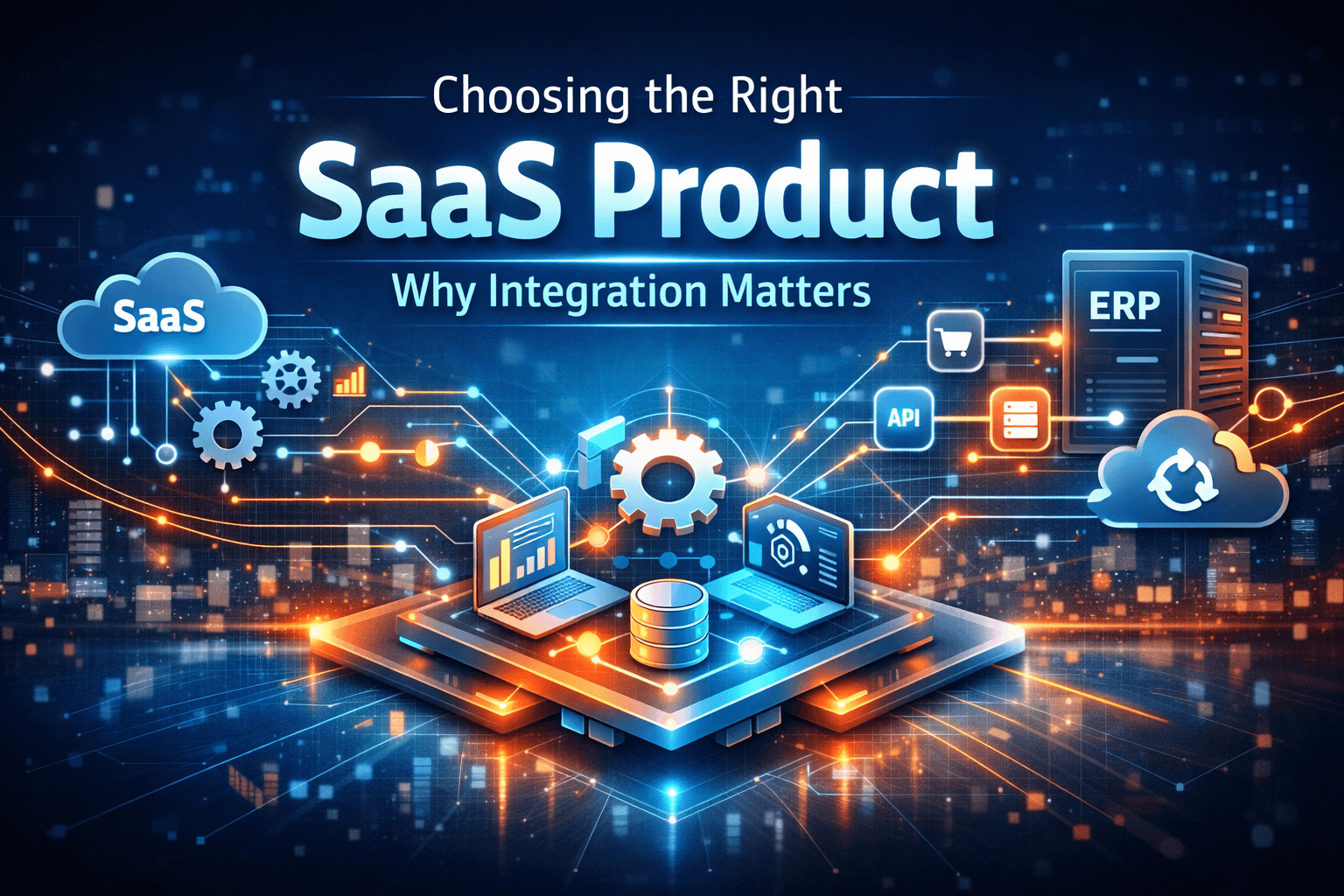
SaaS has transformed how startups and enterprises adopt software with its pay-as-you-go model and scalability. However, as systems become distributed, integration becomes critical. Choosing the right SaaS product is not just about features—it’s about how well it fits into your ecosystem and communicates with other systems. Strong API and event-driven capabilities are essential to ensure seamless data flow and long-term scalability.
The Rise of SaaS
Nowadays, the trend in software is SaaS, where you pay for what you use, and costs increase only when your usage grows. This model is especially beneficial for startups that are still growing but have the potential to scale significantly in the future.
SaaS reduces upfront investment, removes infrastructure management, and allows teams to focus on business value instead of maintenance.
The Hidden Challenge: Distributed Systems
As organizations adopt multiple SaaS products, systems become distributed. Each system handles a part of the business process, and data needs to flow seamlessly between them.
This is where integration becomes critical.
Without proper integration:
- Data becomes inconsistent across systems
- Business processes get fragmented
- Manual workarounds increase
- Scalability becomes difficult
If a SaaS product does not provide sufficient capability to expose its functionality or communicate with external systems, it creates major bottlenecks—especially when startups build their core workflows around it.
Why Integration Capability is a Key Decision Factor
When evaluating a SaaS product, integration should be a primary consideration—not an afterthought.
A good SaaS product should:
- Expose REST APIs for external communication
- Support event-driven architecture (webhooks, messaging)
- Allow secure and scalable data exchange
- Fit well into your existing integration platform (e.g., Azure Integration Services, iPaaS tools)
If these capabilities are missing, the cost and complexity of integration will increase significantly over time.
Key Criteria for Selecting the Right SaaS Product
Understand Your Existing Ecosystem
Before choosing any SaaS product, understand your current environment.
If your ecosystem is already centered around a particular SaaS ERP, it is usually better to select related products within the same ecosystem.
This ensures:
- Better compatibility
- Native integrations
- Reduced implementation effort
Evaluate Integration Capabilities
In many cases, it may not be possible to stay within the same ecosystem.
In such scenarios, integration capability becomes the deciding factor.
Look for:
- REST API availability
- Event-based triggers (webhooks, queues)
- Data accessibility and extensibility
- Documentation and developer support
These capabilities ensure that other distributed systems can fetch or receive data reliably.
Conclusion
SaaS adoption is no longer just about choosing the best standalone product—it’s about choosing the right product for your ecosystem.
Integration is the backbone of modern software architecture.
A SaaS product without strong integration capabilities can slow down innovation instead of enabling it.
Choose wisely—not just for today, but for how your systems will evolve tomorrow.